Check here before bidding on an unopened pack or box when you need reseal checks and a realistic sold-price range.
Explore Sites / Sealed Packs
Cards & Memorabilia
Sealed Packs
A guide to unopened trading-card packs, including wrapper formats, condition, reseal warning signs, storage and completed-sale research.
unopened packsreseal checkssold compssealedpacks.co
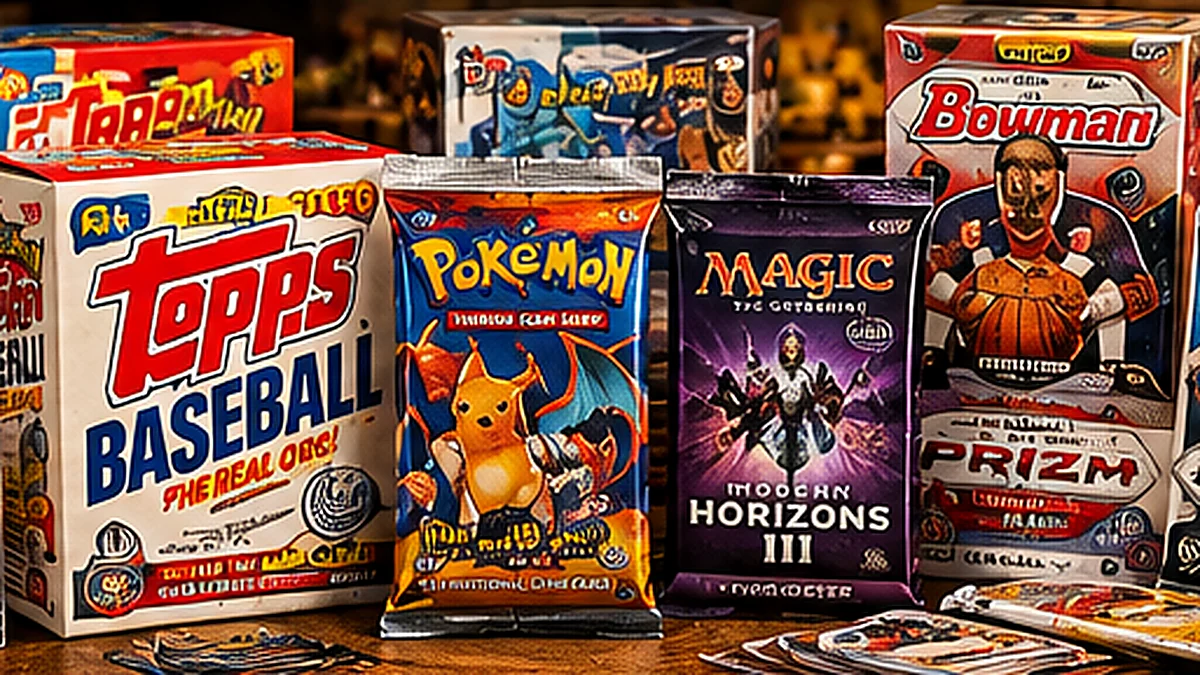
Sealed collecting puts the packaging itself under the microscope. Start with the pack format and photographs, then investigate condition, seller claims and sold prices before paying a premium.
Confirm the specific object or product before acting on a generic listing.
The quick read
What Sealed Packs covers
Sealed Packs focuses on wax, cello, foil and graded sealed-pack collecting. Sealed collecting puts the packaging itself under the microscope. Start with the pack format and photographs, then investigate condition, seller claims and sold prices before paying a premium.
About Sealed Packs
About SealedPacks.co: unopened trading card packs, checked before bidding
Buying unopened trading card packs means trusting a wrapper you cannot see past, and SealedPacks.co exists to make that trust earned. The independent reference covers identifying wax, cello, rack, blister and foil formats, spotting reseals, understanding pack grading, storing sealed product and researching what similar packs actually sold for. Its tagline, "Know what's inside without opening it," captures the search intent behind most visits: a collector wants to confirm a pack is genuine and fairly priced before placing a bid. That makes it a pre-purchase reference first and a shopping page second.
Navigation runs through Identify, Values, Formats, Categories, Guides, Storage, Market and Value Lab. The toolset is the standout. A Reseal Scorecard rates crimp, seam, wrapper-tension and seller-photo issues, a Seller Photo Checklist lists the angles worth requesting, and a reseal red-flags checklist offers a quick reference. The Pack Value Lab builds current and sold eBay searches by type, era, format clue and condition, and a Sold Comps Lab separates active listings from completed sales. Guides cover vintage sports packs, TCG boosters, graded versus raw packs and storage.
A visitor leaves able to turn down a bad listing for specific reasons. Scoring a pack's crimps and seams against known reseal signs, then requesting the right photos, filters out many risky auctions before money is at stake. The sold-comps approach turns a vague asking price into a realistic range built from completed sales, and the storage guidance helps keep an unopened pack in the condition it arrived in. SealedPacks.co presents its marketplace links as research leads rather than endorsements, which keeps the focus on verification.
Sealed Packs is best for wax-box collectors, TCG booster buyers and anyone shopping for vintage sealed product on eBay. As part of CollectorFinds.co, the network of guides to vintage and collectible finds, it focuses squarely on packs that stay closed. Collectors who prefer cards already authenticated and graded can move on to Slabbed Cards, and those holding other factory-sealed items, from toys to records, will find a broader approach at Never Opened. Modern TCG buyers are covered as well, with booster guidance that includes notes on pack variants.
What you can research here
Sealed collecting puts the packaging itself under the microscope. Start with the pack format and photographs, then investigate condition, seller claims and sold prices before paying a premium. This directory profile is a starting point; follow the specialist link for its full resources and current content.
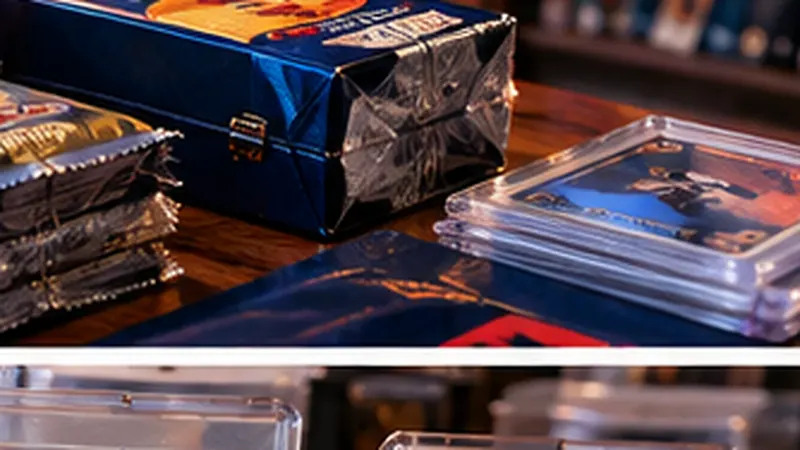
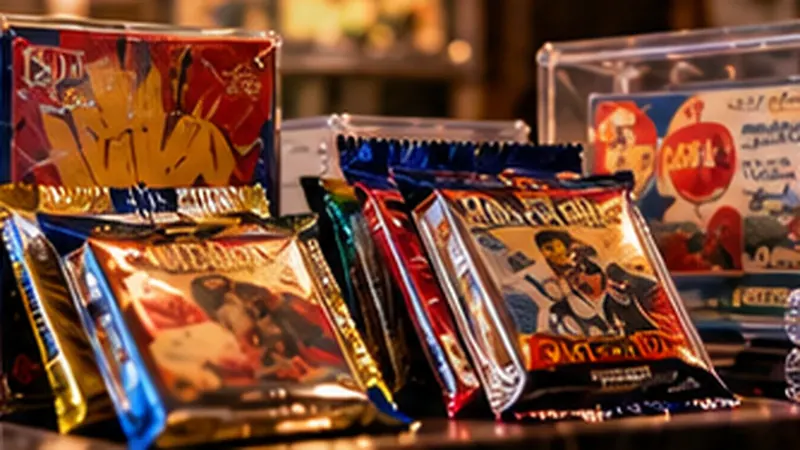
Wax, cello, rack, blister and foil packs each seal differently, so knowing the format sets expectations for genuine crimps.
Uneven crimps, odd seams or loose wrappers are classic reseal signs that deserve close photos before bidding.
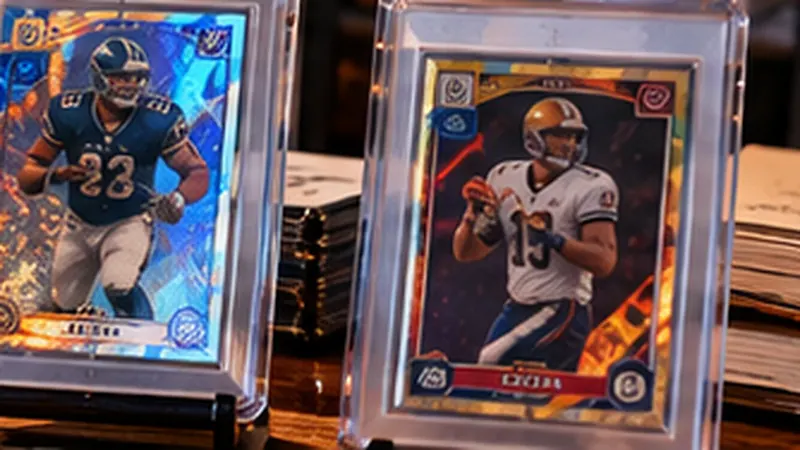
A graded pack adds a third-party opinion, but raw and graded examples sell at different levels and need separate comps.
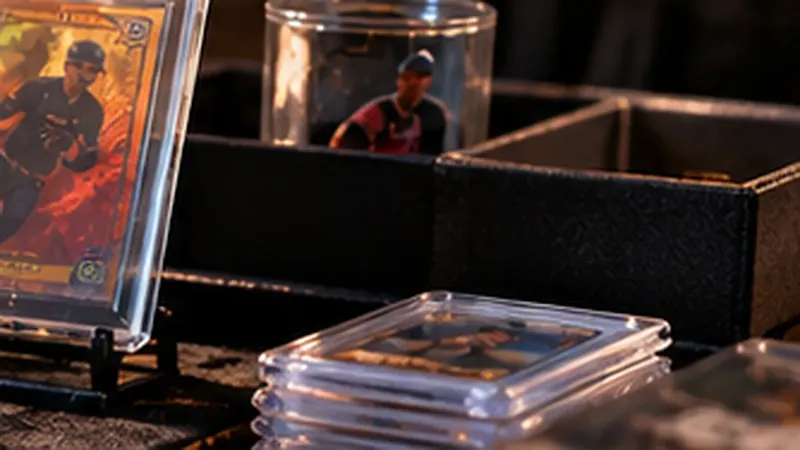
Heat, light, humidity and pressure can damage wrappers over time, eroding the condition a sealed pack depends on.
Questions to ask before collecting and researching
- 01
Which pack format and release are actually pictured?
- 02
Are crimps, seams and wrapper folds consistent, and are seller photos sufficient?
- 03
Does an intact wrapper establish anything about the contents or authenticity?
- 04
What did truly comparable unopened packs sell for recently?
How to make the most of the specialist guide
- 01Identify release, era and pack style before treating a listing as comparable.
- 02Request clear photos of edges, ends, seals and the back of the pack.
- 03Use the reseal scorecard as a risk checklist, not a guarantee of authenticity.
- 04Check sold examples and the seller’s terms before committing.
Check the evidence before a purchase.
Seller claims, authenticity and condition should always be verified against photos and reliable sources. This directory does not verify current listing availability or seller representations.
How it fits the network
Sealed Packs complements related specialist destinations below. Compare adjacent subjects when a purchase needs a different kind of research instead of relying on a single broad search.
Frequently asked questions about Sealed Packs
How can you tell if a card pack has been resealed?
Compare the crimps, seams and wrapper tension with known genuine examples of the same format, and look for glue, wrinkles or mismatched printing. SealedPacks.co's Reseal Scorecard and red-flags checklist organize these checks, and its Seller Photo Checklist lists the angles to request. A seller who won't provide clear photos is a reason for caution on its own.
Are graded sealed packs worth it compared to raw packs?
A graded pack carries a third-party assessment that can reduce reseal risk, which many buyers value, though it usually costs more. Raw packs require you to do the inspection yourself. Sealed Packs suggests researching completed sales separately for graded and raw examples of the same pack, since the two often sell at different levels.
How should I store unopened trading card packs?
Keep them away from heat, direct sunlight, humidity and pressure, ideally in protective holders or cases sized for the pack. Avoid stacking heavy items on top, which can crease wrappers and damage seals. SealedPacks.co offers storage and preservation guidance aimed at keeping a sealed pack in the same condition it was in when you bought it.
Related specialist sites
These resources cover overlapping interests or useful adjacent questions, not identical products.