Ideal when you have an unidentified doll and want to read its marks and materials before trusting a name or price.
Explore Sites / Doll Guide
Vintage Objects
Doll Guide
Evidence-first antique and vintage doll research covering construction materials, maker marks, clothing, restoration and comparable sales.
doll marksidentificationconditiondollguide.co
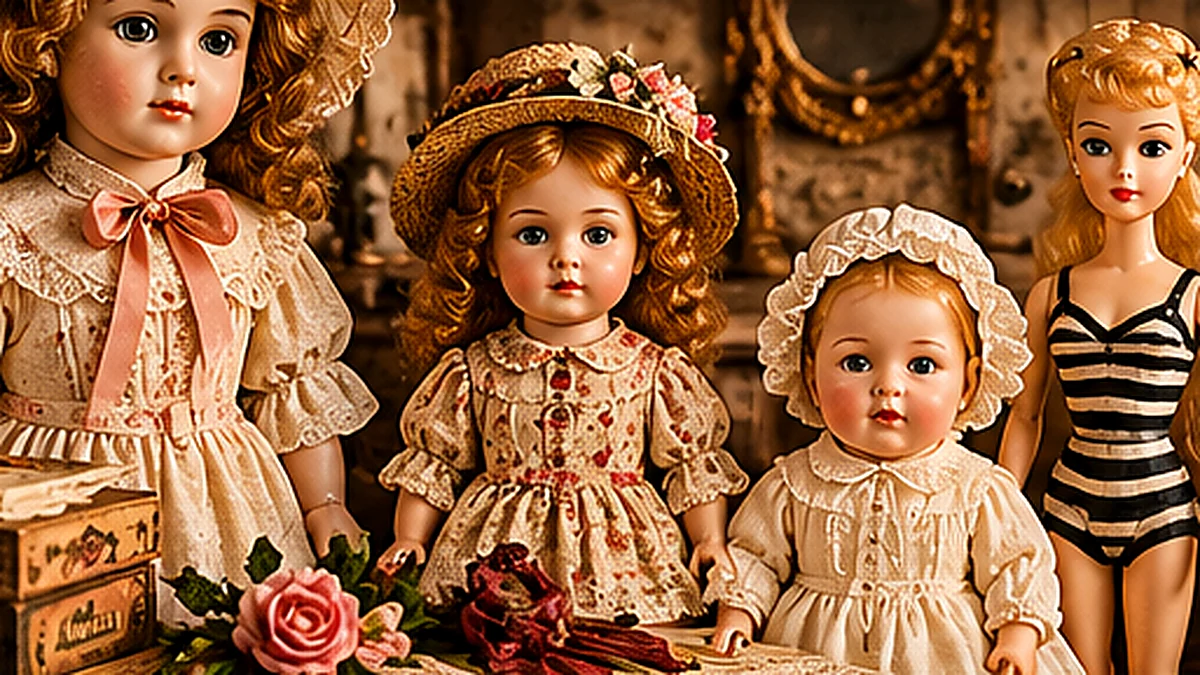
Doll identity depends on more than a familiar face. The guides encourage documenting marks, materials, dimensions, accessories and repairs before assigning a maker or comparing values.
Confirm the specific object or product before acting on a generic listing.
The quick read
What Doll Guide covers
Doll Guide focuses on antique dolls, makers, markings and restoration clues. Doll identity depends on more than a familiar face. The guides encourage documenting marks, materials, dimensions, accessories and repairs before assigning a maker or comparing values.
About Doll Guide
About DollGuide.co: antique doll identification that starts with evidence
DollGuide.co approaches antique doll identification the way a careful researcher would, beginning with what the doll is made of and what marks it carries before any name or price enters the picture. "Identify the doll. Preserve the evidence." is the site's guiding line, and it shapes pages written for collectors, buyers, sellers and anyone who has found an unfamiliar doll in an attic or estate. The tone is patient and skeptical in a helpful way, warning about reproductions, replaced parts and dramatic asking prices, and noting that its identifications are not formal appraisals.
The identification workflow walks through photographing the doll, measuring it, identifying it and recording any repairs. Type guides cover bisque, china head, composition, cloth and rag, wooden, wax, papier-mâché, hard plastic and vinyl dolls. Maker guides include Barbie and Mattel, Madame Alexander, American Girl, Ideal, Effanbee, Horsman, Arranbee, Vogue and Ginny, and Nancy Ann Storybook Dolls. Separate pages handle doll marks, authenticity, value and restoration disclosure, and a collector listing search offers quick filters for antique bisque, composition, vintage Barbie, Madame Alexander and miniatures. Field notes appear on The Cabinet blog.
The outcome is an identification grounded in physical evidence and a value sense based on genuinely comparable dolls. By learning where to look for vintage doll marks, how head and body materials narrow the era, and which clothing or parts may be replacements, a visitor can avoid paying original-doll prices for a married or restored example. Sellers benefit too, since accurate descriptions and honest restoration disclosure tend to prevent disputes and returns after the sale. Documented findings also make insurance and estate records easier to keep.
This guide suits doll collectors, people sorting an inherited collection, and resellers who want to describe dolls accurately. On CollectorFinds.co it lives with the vintage objects group, a directory built for collectible and secondhand finds rather than new toys. Collectors interested in broader playthings can explore Vintage Toy, and those holding dolls still in their original packaging will find a related focus at Never Opened. Because the site separates identification from appraisal, it also helps owners decide when a doll merits a paid professional opinion and when careful research of their own is enough.
What you can research here
Doll identity depends on more than a familiar face. The guides encourage documenting marks, materials, dimensions, accessories and repairs before assigning a maker or comparing values. This directory profile is a starting point; follow the specialist link for its full resources and current content.
Bisque, composition, hard plastic and vinyl point to different eras, making material the fastest first clue.
Incised or printed marks often identify maker and mold, but they need clear photos and careful reading.
Replaced wigs, outfits or limbs change a doll's originality, so each component deserves its own inspection.
Fair comparisons match maker, mold, size and condition, not just a similar-looking doll at a high asking price.
Questions to ask before collecting and researching
- 01
What are the head, body and limb materials, and how are they joined?
- 02
Which marks, mold numbers, tags or labels are visible?
- 03
Are eyes, wig, clothing or limbs replacements or restored pieces?
- 04
Do completed sales match the same model, size and condition?
How to make the most of the specialist guide
- 01Photograph the doll from several angles and note all construction materials.
- 02Record measurements, marks and parts that might not be original.
- 03Use type and maker guides to narrow the identification.
- 04Compare completed transactions, not dramatic unsold asking prices.
Check the evidence before a purchase.
Seller claims, authenticity and condition should always be verified against photos and reliable sources. This directory does not verify current listing availability or seller representations.
How it fits the network
Doll Guide complements related specialist destinations below. Compare adjacent subjects when a purchase needs a different kind of research instead of relying on a single broad search.
Frequently asked questions about Doll Guide
Where are the marks on an antique doll?
Marks are most often found on the back of the head or neck, on the shoulder plate, or across the back or torso, though some dolls carry marks on the feet or clothing tags. Many old dolls have no marks at all. DollGuide.co has a doll marks guide and an identification workflow that starts with photographing every mark clearly.
How can I tell if a doll is bisque or china?
Both are fired porcelain, but bisque is left unglazed and has a matte, skin-like finish, while china heads are glazed and look shiny. The difference helps narrow a doll's era and type. DollGuide.co offers separate guides for bisque dolls and china head dolls that explain what to look for in each.
Does restoration lower an antique doll's value?
Restoration can affect how collectors view a doll, especially when it involves repainting, replaced parts or undisclosed repairs. The impact depends on the doll, the work done and how openly it is described. DollGuide.co has a restoration disclosure guide explaining why recording repairs matters for buyers and sellers, but it does not promise any particular value outcome.
Related specialist sites
These resources cover overlapping interests or useful adjacent questions, not identical products.